
What Is Sacral Subluxation and How Does Pelvic Misalignment Impact Pregnancy Comfort?
Sacral subluxation is a misalignment of the sacrum, the triangular bone at the base of the spine that anchors the pelvis. When the sacrum shifts out of its balanced position, it can create nervous system interference and structural instability throughout the pelvic ring. This matters during pregnancy because the pelvis functions as the body's foundation for the entire process, a structure that either sits balanced and creates room, or sits misaligned and creates constraint. Pelvic misalignment can pull the pelvis into an uneven position, tightening ligaments and muscles unevenly on one side. That imbalance is commonly linked to pregnancy discomforts such as low back pain, sciatic nerve irritation, and pelvic girdle pain. Pelvic girdle pain and low back pain together affect a substantial portion of pregnant women, making pelvic balance a widespread concern rather than an isolated complaint. Beyond comfort, an unbalanced pelvis can also reduce the available space inside the uterus, a condition referred to as intra-uterine constraint. Reduced space can limit the baby's ability to move freely and settle into an optimal position ahead of birth. Correcting sacral subluxation, through a specific chiropractic sacral analysis and adjustment, aims to reduce sacral and sacroiliac joint dysfunction and restore neuro-biomechanical function to the pelvis. Restoring that balance does not just ease physical strain on the mother's frame. It also supports the body's innate capacity to give the baby the most room to move into position for a smoother birth process. Pelvic misalignment, in this sense, is not a symptom to individually manage but a root mechanical factor that touches both maternal comfort and fetal positioning throughout pregnancy.
Last Updated: 2026-09-15
What Sacral Subluxation Actually Means for a Pregnant Body
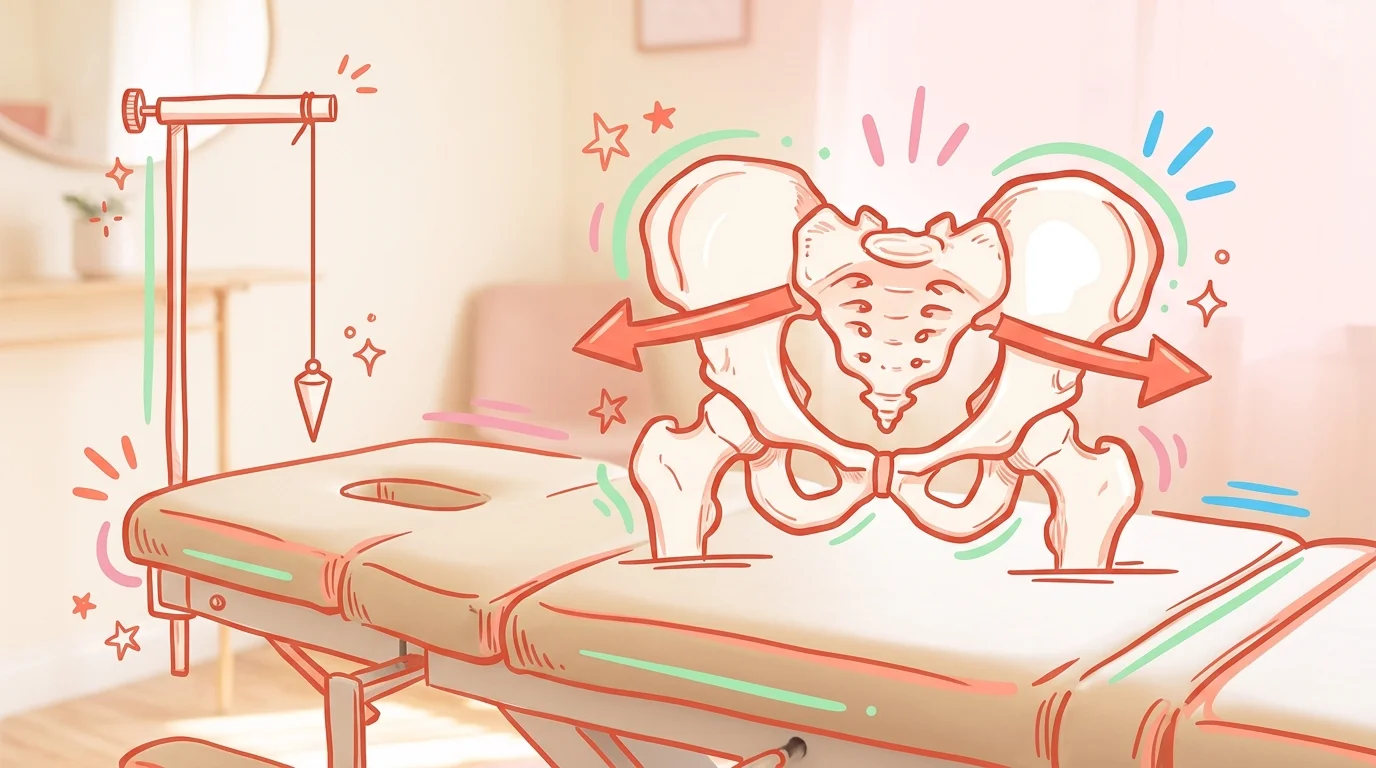
Let's start with the mechanical event at the center of all this. Sacral subluxation happens when the sacrum, the triangular bone anchoring the base of the spine, shifts out of its balanced position inside the pelvic ring.
And that shift is not just some vague posture problem. It's a specific structural misalignment that can create nerve interference and instability all through the pelvis around it.
The Sacrum's Role in Pelvic Structure
The sacrum earns its keystone title. It sits wedged between the two hip bones as the keystone of the pelvic ring, and every ligament and muscle that stabilizes the pelvis attaches to it one way or another.
When the sacrum holds its balanced position, the entire pelvic structure moves as a coordinated unit. For a deeper breakdown of how that balance connects to birth outcomes, this clinical explanation of sacral alignment and fetal positioning walks through the mechanics in detail.
How Subluxation Differs From General Misalignment
Now, general misalignment can mean almost any joint sitting a little off where it should be. Sacral subluxation is narrower than that, and a lot more specific.
It refers to a fixation or restriction at the sacrum itself, one that alters how nerve signals travel through the pelvis. That distinction matters because the sacrum's position influences the ligaments that stabilize the entire uterine environment, not just a single joint.
Why the Sacrum Moves So Much During Pregnancy
Here's what a lot of people miss: the whole pelvic ring loosens long before labor ever starts. That loosening happens for a reason, and it traces back to a single hormone.
Relaxin rises steadily through pregnancy to get the pelvis ready for birth. But the usual explanation for how it does that falls apart against the way the sacrum actually behaves, and closing that gap matters more than you'd think, especially for anyone already coping with nerve pressure that radiates into the leg.
The Relaxin Myth Most Practitioners Still Repeat
Most practitioners repeat the same line. Relaxin softens the ligaments, and that softening is what lets the pelvis shift out of alignment. That explanation is incomplete.
The belief goes like this: relaxin increases pelvic laxity by changing the structure of collagen. But the research indexed in PubMed Central tells a different story. Experimental studies have not shown a direct link between high relaxin levels and increased pelvic mobility in pregnant women.
How Pelvic Misalignment Shows Up as Pain
Pelvic misalignment rarely announces itself as a structural problem. It shows up as pain instead: a nagging ache in the low back, a sharp pull down the sciatic nerve, or pressure across the front of the pelvis. About 45% of all pregnant women experience pelvic girdle pain or low back pain, according to research indexed in PMC's spine literature. Sciatica and low back pain are often direct symptoms of that underlying misalignment, not discomforts a pregnant body is simply meant to endure.
| Common Complaint | Structural Origin | Region Affected |
|---|---|---|
| Low Back Pain | Uneven pull on the ligaments stabilizing an unbalanced sacrum | Lower back and base of the spine |
| Sciatic Nerve Irritation | Nerve interference created by a shifted sacrum crowding the surrounding nerve pathways | Hip, buttock, and down the back of the leg |
| Pelvic Girdle Pain | Uneven tension across the joints of the pelvic ring caused by sacral misalignment | Front of the pelvis and the sacroiliac joints |
| Round Ligament Discomfort | Compensating strain as surrounding ligaments work to stabilize an unbalanced pelvic ring | Lower abdomen and groin |
Why Any Chiropractor Treating Pregnancy Is Not the Same Credential
A license to practice chiropractic does not include prenatal specialization. Prenatal biomechanics is its own discipline, and the sacrum behaves differently once pregnancy is underway.
The ICPA's Webster credential is where that competency actually gets taught, and it is still the exception among chiropractors who see pregnant patients, not the rule. That matters when the goal is pelvic balance tied to fetal positioning outcomes.
Why Standard Pain Management Misses the Structural Cause
A single adjustment is not a clinical protocol. Treating pregnancy discomfort as a one-time fix misreads how sacral subluxation actually behaves in a shifting body. The pelvis keeps changing shape as pregnancy progresses, so a static solution cannot match a moving problem. That mismatch is where standard pain management loses the thread.
What a Sacral Subluxation Costs the Body Over Time
Unresolved sacral subluxation does not stay contained to the low back. Left unaddressed, the same nerve interference and structural imbalance can compound week over week as the pelvis carries more weight. One randomized trial on third trimester low back pain found that combining education with physical therapy produced less pain and disability, higher quality of life, and measurable gains on physical testing, a result cataloged in PubMed Central. That outcome points to the same principle Webster-Certified care applies: ongoing, structured attention to the pelvis outperforms a single isolated fix. Anyone comparing options for chiropractic care during pregnancy should weigh sustained correction against a one-off adjustment.
How the Webster Technique Analyzes and Corrects Sacral Position
So every pain pattern we've traced back to sacral subluxation lands on the same question. How does the correction actually happen inside an appointment?
| Credential | What It Verifies | Who Holds It |
|---|---|---|
| General Chiropractic License | Baseline competency in spinal analysis and adjustment across the general population | Any licensed chiropractor, regardless of prenatal focus |
| Webster Certification (ICPA) | Specific competency in sacral analysis and diversified adjustment for the pregnant pelvis, including recognition of sacroiliac joint dysfunction and neuro-biomechanical restriction unique to pregnancy | Chiropractors who complete dedicated coursework through the ICPA beyond standard licensure |
| Advanced Prenatal Analysis Skills | Ongoing ability to reassess sacral position across shifting trimesters, rather than a single static snapshot of alignment | Webster-Certified practitioners maintaining a trimester-by-trimester care relationship |
The Sacral Analysis and Diversified Adjustment Process
The Webster Technique answers that with a specific sacral analysis and diversified adjustment, never generic spinal work. According to published protocol guidance from the ICPA, the goal is reducing sacral and sacroiliac joint dysfunction so neuro-biomechanical function returns to the pelvis. Soft tissue work often supports the adjustment, easing the muscles that pull the sacrum out of position before the correction itself.
What Webster Certification Actually Requires
One adjustment does not finish this work. Prenatal chiropractic care is a trimester-by-trimester relationship, because the pelvis keeps shifting as pregnancy moves forward. Webster Certification exists for exactly that reason: a moving target needs ongoing, specialized analysis, not a single fix applied once and left alone.
How Pelvic Balance Connects to Fetal Positioning and Birth Outcomes
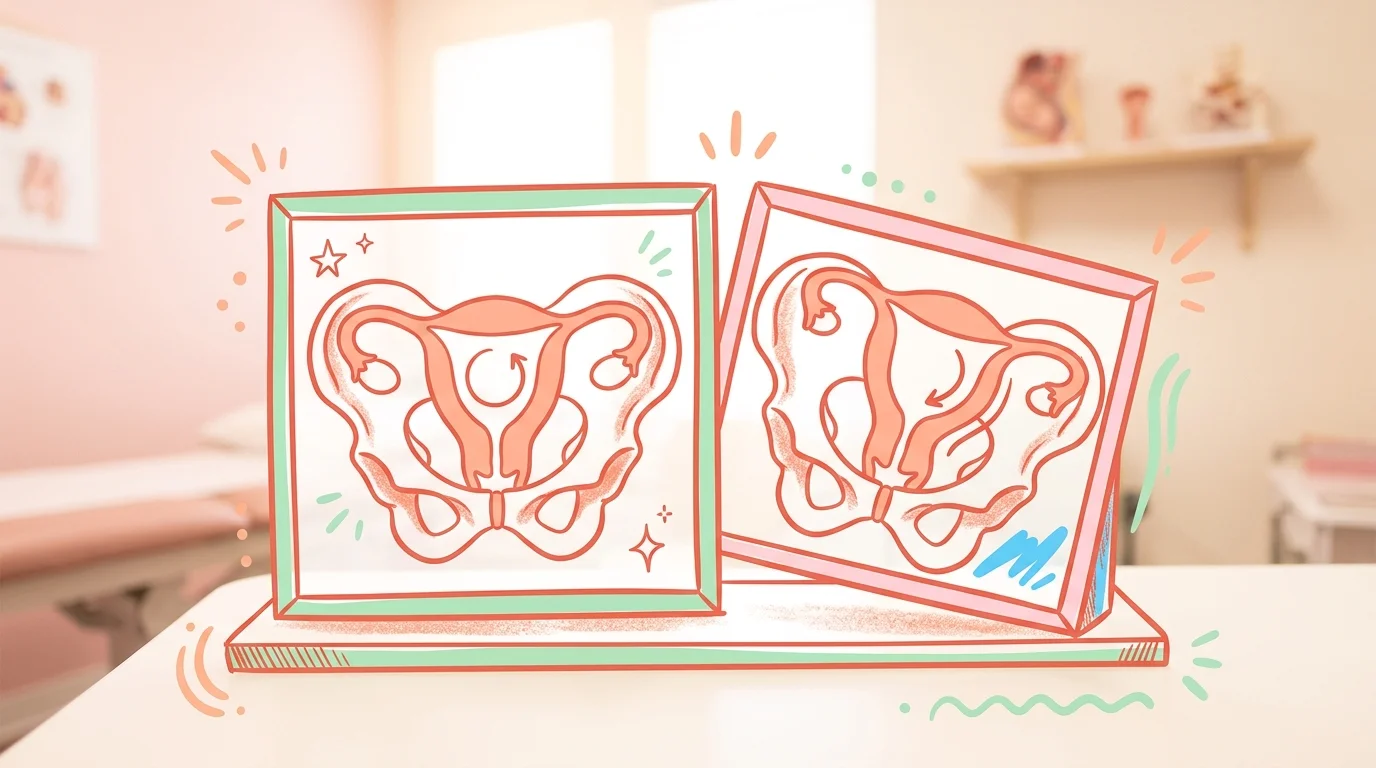
A balanced pelvis is not just a comfort feature. It is the mechanical foundation that gives a baby the most room to settle into position before birth.
The goal behind correcting sacral subluxation was never pain relief alone. Restoring neuro-biomechanical function to the pelvis creates the space and signaling a baby needs to grow, move, and find an optimal position.
| Measure | Standard Obstetric Care Alone | Care Plus Education or Adjustment |
|---|---|---|
| Pain and Disability | Deterioration continues without added support | Less pain and disability reported |
| Quality of Life | No structured improvement measure applied | Higher quality of life reported |
| Physical Test Performance | No added functional gains noted | Improvement on physical tests |
| Pelvic Environment Goal | Focus remains on symptom management alone | Optimal environment for the baby to grow and move |
What the Research Says About Chiropractic Care and Labor Outcomes
A birth-prep plan does not end at one visit. It holds only as long as care keeps pace with what the pelvis is actually doing.
That idea already showed up in how structured, ongoing attention outperformed a single fix for third-trimester back pain. The same principle applies to labor outcomes tied to pelvic balance: the pelvis keeps changing, so understanding what is happening inside it has to keep pace, appointment by appointment.
Reading the Signs of Intra-Uterine Constraint
Intra-uterine constraint rarely announces itself with a single obvious sign. It shows up as a cluster of small signals: uneven fetal movement, persistent pressure on one side, or a baby that seems reluctant to shift position late in pregnancy.
Those signs point back to the same foundation. A pelvis sitting misaligned creates constraint. A pelvis restored to balance creates room.
Frequently Asked Questions
Some questions about pelvic balance and prenatal care come up appointment after appointment. Here are the direct answers.
Is chiropractic care and getting adjustments safe during pregnancy?
Yes. Research on prenatal chiropractic care reports that adverse events are uncommon at every stage, including the third trimester. Webster-Certified care uses techniques adapted for a shifting pelvis, never a forceful thrust to the spine.
What does a sacral adjustment for pelvic misalignment feel like?
Most patients describe a light, specific pressure — closer to a firm touch than anything dramatic. The sacrum only needs a precise correction, not a dramatic one, to restore its balanced position.
How early in pregnancy can Webster Technique chiropractic care start?
Care can begin as soon as pregnancy is confirmed, and earlier is better than later. Addressing sacral subluxation before compensation patterns set in gives the pelvis more time to hold its correction.
Can sacral subluxation affect a baby's position for birth?
Yes. Sacral misalignment tightens the ligaments that support the uterus, and that tension can limit the space a baby has to move and settle.
Does the Webster Technique physically turn a breech baby?
No adjustment physically turns a baby. Correcting sacral subluxation removes the structural constraint that may be preventing the baby from turning on its own.
How is a Webster-Certified chiropractor different from a regular chiropractor?
A Webster-Certified chiropractor has completed specific ICPA training in prenatal sacral analysis and adjustment. A general chiropractor without that certification is not trained to apply this specific protocol.
The Bottom Line on Pelvic Balance and Birth Preparation
Pelvic balance gets overlooked constantly. But it's one of the most critical pieces of a comfortable, healthy pregnancy. Every discomfort we've traced here, every question about how a baby finds its position, comes back to that same structural truth.
A pelvis sitting misaligned creates constraint. A pelvis restored to balance creates room, and room is what a baby needs to settle into position for a smoother birth process. Webster-Certified care exists to correct sacral subluxation directly, not to manage its symptoms one complaint at a time.
Preparing the body for birth is never a single appointment. It's ongoing, specific attention to the foundation your whole pregnancy rests on. And that work starts with scheduling a prenatal chiropractic evaluation.