
Pelvic Constraint and Fetal Positioning: The Clinical Role of the Webster Technique
The Webster Technique is a chiropractic analysis and adjustment protocol used during pregnancy to reduce sacral subluxation and sacroiliac joint dysfunction, thereby restoring balanced pelvic neuro-biomechanics. It is not a maneuver designed to physically turn a baby. Instead, it corrects musculoskeletal imbalance in the pelvis that can create intrauterine constraint, a term describing any external force restricting the fetus's normal movement inside the uterus. When the sacrum and surrounding ligaments, including the round ligaments, are misaligned or under abnormal tension, the uterine environment can become asymmetrical, limiting the space available for the fetus to move into an optimal position for birth. The adjustment targets this underlying structural cause rather than the positioning outcome itself. By reducing sacral misalignment, the technique aims to normalize pelvic muscle and ligament tension, improve uterine nerve supply, and allow the uterus to hold its natural shape. This creates a less constrained internal environment, which may support the fetus in achieving a head-down position ahead of labor. The technique is applied by chiropractors trained in analyzing pelvic alignment and adjusting the sacrum using a light, specific, low-force contact. It is typically considered as part of routine prenatal chiropractic care rather than as an isolated intervention reserved only for breech presentation. Chiropractors who use this approach have reported favorable outcomes for resolving fetal malposition, though such reports are based on practitioner observation rather than controlled clinical trials. Because the technique addresses pelvic structure and function broadly, its scope extends beyond fetal positioning alone, encompassing the general biomechanical demands pregnancy places on the pelvis and surrounding musculature.
Last Updated: 2026-09-15
What Sacral Subluxation Actually Means for a Pregnant Body
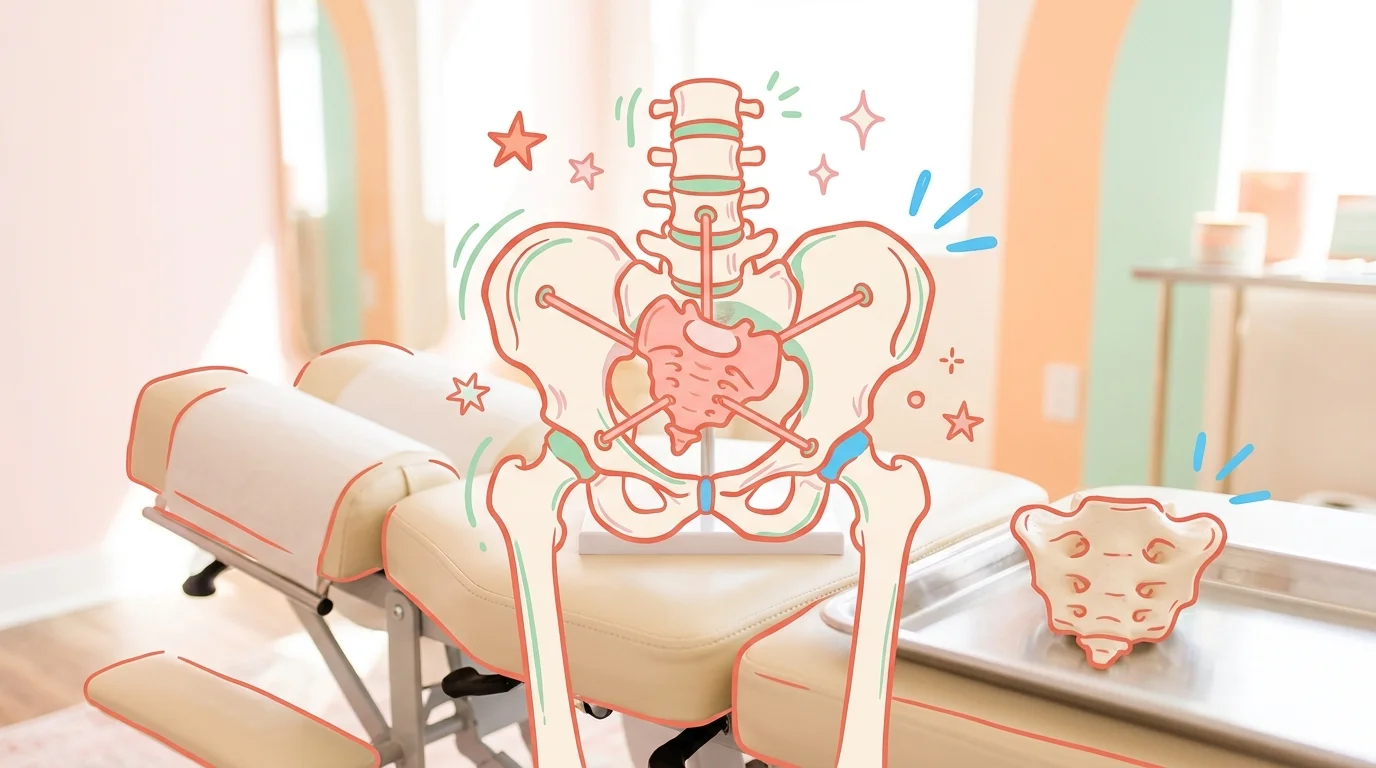
Sacral subluxation refers to a misalignment or fixation of the sacrum, the triangular bone anchoring the base of the spine to the pelvis. Pregnancy introduces profound biomechanical and hormonal changes that affect the alignment and stability of the pelvis, placing new demands on this joint. As ligaments loosen and posture shifts to accommodate a growing uterus, the sacrum can lose its normal motion and position.
That loss of motion is precisely what the Webster Technique is built to address. It is a specific chiropractic analysis and adjustment aimed at reducing the effects of sacral subluxation and sacroiliac joint dysfunction, restoring proper pelvic mechanics rather than forcing a particular fetal outcome. For a broader look at how this analysis fits into full-term prenatal care, the clinical framework behind pelvic balance and sacral alignment outlines the standard of practice. Restoring that framework is what reopens the room a constrained pelvis had taken away.
Why the 'Baby-Turning Technique' Label Fails as a Working Model
Call it a baby-turning technique and you've mistaken the outcome for the mechanism. It isn't one.
The label sticks because it's easy to say. But easy labels flatten a neuro-biomechanical process into a single trick, and that flattening is exactly why the technique gets misapplied or waved off.
How the Simplified Label Misrepresents the Mechanism
A method built to turn a baby would work on the baby directly. The Webster Technique never touches the fetus.
It corrects sacral subluxation, the structural cause of intrauterine constraint that a chiropractic adjustment addresses by removing musculoskeletal restriction rather than manipulating fetal position, as PubMed Central describes. Reposition follows structure. Structure doesn't follow reposition.
Why Treating It as General Prenatal Chiropractic Misses the Credential Gap
The assumption sitting underneath the label problem is this: that any licensed chiropractor can safely care for a pregnant patient the same way they'd care for anyone else. A standard DC license carries no built-in prenatal specialization.
Webster Certification through the ICPA is the credential that actually establishes competency in this specific analysis and adjustment. Most practitioners seeing pregnant patients don't hold it. That gap is worth understanding before you assume general chiropractic care and prenatal-specific care are interchangeable, a distinction how pelvic misalignment affects pregnancy comfort covers in more depth.
The Neuro-Biomechanical Chain Behind Fetal Positioning
Misconception cleared, here's the actual chain. Pelvic misalignment doesn't stay local to the sacrum. It travels — through ligaments, through nerve pathways, through the uterine wall itself — until it shapes the space a baby has to work with.
| Structural Component | Role in the Chain | Effect When Balanced | Effect When Constrained |
|---|---|---|---|
| Sacrum | Anchors the pelvic ring and sets the baseline position for the ligaments suspending the uterus | Maintains normal motion, allowing the pelvic ring to hold a symmetrical shape | Fixates or misaligns, pulling the pelvic ring and the structures attached to it out of balance |
| Pelvic Ligaments | Transfer sacral position into tension patterns that shape the uterine cavity | Distribute tension evenly, letting the uterus hold its natural shape | Carry uneven tension forward, distorting the cavity's available space |
| Round Ligaments | Register structural imbalance as measurable strain on one side of the uterus | Stay within a normal tension range, supporting even uterine positioning | Tighten asymmetrically, a common source of pregnancy discomfort tied back to pelvic misalignment |
| Uterine Cavity | Provides the physical room a fetus needs to rotate into position before labor | Offers a symmetrical, unconstrained space for the fetus to move freely | Narrows on the constrained side, limiting the fetus's ability to settle head-down |
From Sacrum to Uterus: Mapping the Structural Pathway
The sacrum anchors the pelvic ring, and the pelvic ring anchors the uterus. Shift the sacrum out of its normal position and the ligaments holding the uterus shift right along with it. That pull tugs the organ toward asymmetry instead of its natural shape.
That asymmetry is the mechanism worth tracking. It doesn't announce itself the way pain does. A restricted uterine cavity simply narrows the room a fetus has to rotate into a head-down position before labor begins.
Round Ligament Tension as a Measurable Link in the Chain
Round ligaments carry that structural imbalance forward, and their tension is where it becomes physically measurable — the biomechanics of round ligament tension traces exactly how sacral misalignment converts into that measurable strain. Restoring symmetry there is what loosens the constraint upstream.
How the Analysis and Adjustment Process Actually Works
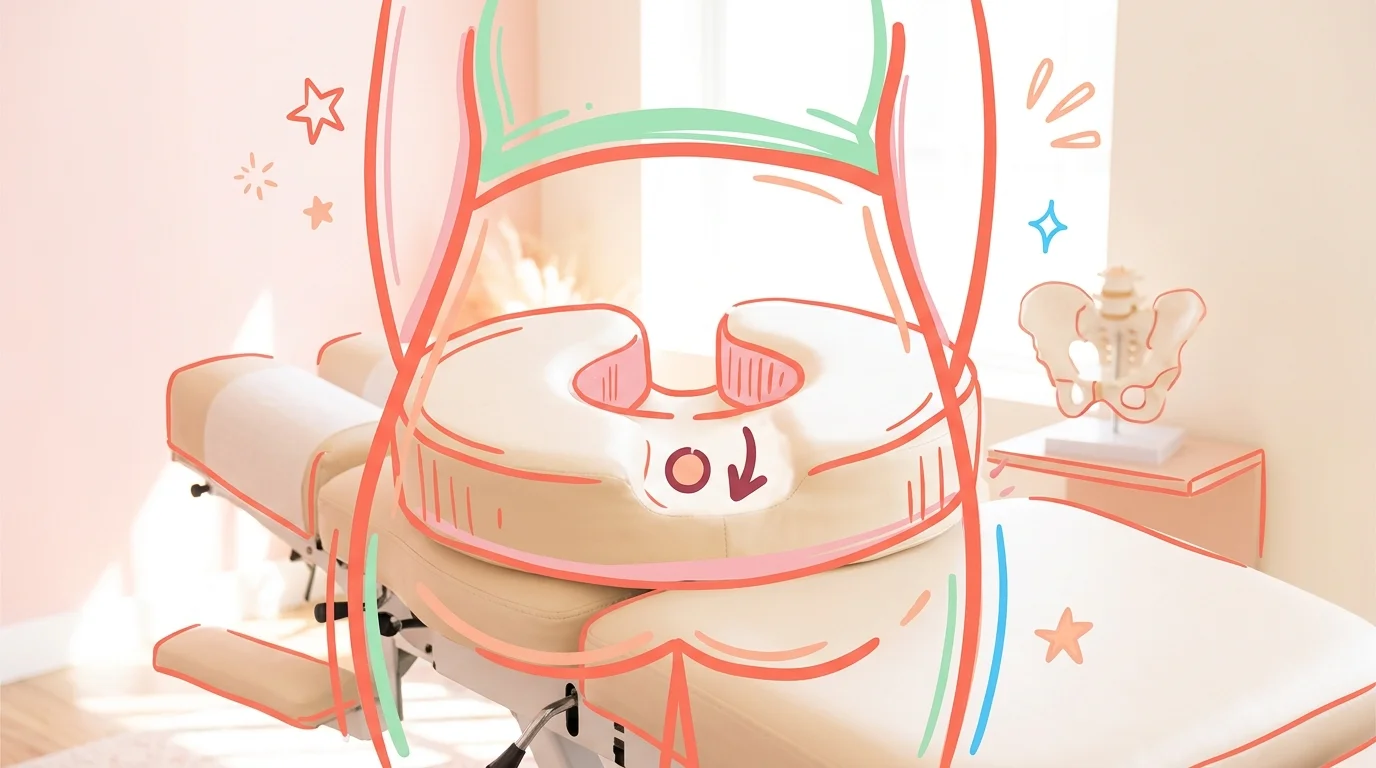
The analysis always comes first. Before I make any contact, I check the pelvic landmarks, the leg length, and the sacral position to confirm exactly where the fixation is sitting.
Reading the Pelvis Before Any Adjustment Is Made
That reading is about precision, not force. I describe the contact pressure as comparable to checking a ripe tomato, light enough to feel where things sit without disturbing them. This is the same principle behind the prenatal chiropractic care we deliver at every single visit.
The Specific Adjustment Sequence and Its Intended Effect
Once I've confirmed the fixation, the adjustment is a specific, low-force correction to the sacrum itself. The goal is releasing that restriction, never repositioning the baby directly. Soft tissue work around the round ligaments and pelvic muscles usually follows, easing the downstream tension that sacral misalignment creates.
Where the Evidence Stands and Where It Runs Thin
Having explained the full mechanism, the question turns to what is documented versus what remains unverified. When surveyed, chiropractors who use the Webster Technique report high success rates for resolving breech presentation, as PubMed Central notes. Those reports come from practitioner observation, not controlled trials. The technique is widely used, yet it has not undergone the specificity or sensitivity testing that would confirm those outcomes objectively, a gap documented in research indexed through PMC.
| Claim Type | What Is Documented | What Remains Unverified |
|---|---|---|
| Practitioner-Reported Outcomes | Chiropractors using the Webster Technique describe favorable results for resolving fetal malposition based on direct clinical observation. | Whether those outcomes hold up under controlled comparison against no adjustment or against spontaneous positioning. |
| Diagnostic Accuracy of the Adjustment | The analysis identifies sacral subluxation and sacroiliac dysfunction through pelvic landmark and leg length assessment. | Specificity and sensitivity testing that would confirm the analysis reliably distinguishes true subluxation from normal pregnancy variation. |
| Mechanism of Effect | A structural rationale links sacral alignment to round ligament tension and uterine symmetry. | Whether restoring sacral alignment causally produces repositioning, or whether reported cases reflect factors independent of the adjustment. |
| Scope of Application | The technique is documented as part of routine prenatal chiropractic care, not limited to breech cases. | How outcomes differ across the broader population receiving care for general pelvic balance versus those seeking it specifically for malposition. |
Why Uncertified Practice of This Technique Is a Failure Mode
This is the failure mode in plain terms: caring for a pregnant patient like any other patient assumes a competency the license itself never certified. Only the ICPA's dedicated training closes that gap, and it stays uncommon in general practice.
Sequencing Care from Early Pregnancy Through Late-Term Positioning
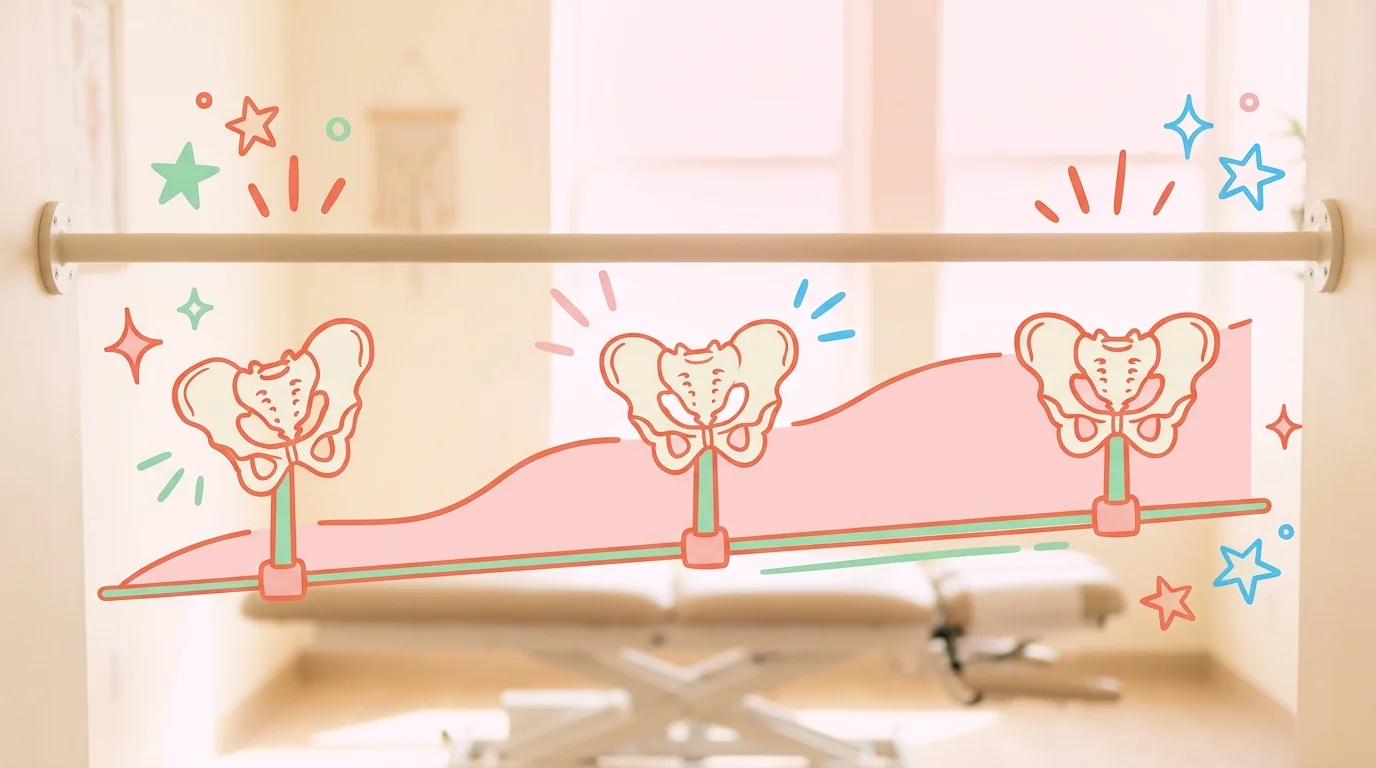
Structural change over a pregnancy adds up. It doesn't happen all at once. The pelvis keeps adapting as ligaments loosen and posture shifts across the whole term, and a pattern like that asks for a sequence of care, not one visit.
| Trimester | Structural Focus | Typical Adjustment Goal |
|---|---|---|
| First Trimester | Establishing a baseline sacral position before compensation patterns take hold | Track alignment early and identify existing sacral fixation or asymmetry |
| Second Trimester | Adapting to increasing ligament laxity and postural drift as uterine load grows | Adjust for shifting sacral and sacroiliac tension introduced by new load-bearing demands |
| Third Trimester | Narrowing toward pelvic symmetry and round ligament balance ahead of labor | Support the positioning window by reducing intrauterine constraint before delivery |
What a Single-Session Approach Misses Structurally
One appointment cannot correct postural, pelvic, and spinal changes built up over months. A single session reads the sacrum at one moment and stops there. Structural preparation for birth requires consistent care delivered at the stage where the body is still responsive to it.
Reading the Body's Response Across the Trimesters
Early pregnancy sets the baseline, so we track sacral alignment before compensation patterns settle in. As the second trimester adds load, adjustments respond to shifting ligament tension and postural drift. Late-term care narrows in on pelvic symmetry and round ligament balance, supporting the positioning window before labor starts.
Frequently Asked Questions
New patients tend to arrive with the same short list of questions. Here are the straight answers.
How is the Webster Technique different from a regular chiropractic adjustment?
A regular adjustment goes after spinal joint restriction wherever it shows up. The Webster Technique is something narrower: a specific sacral analysis and adjustment, paired with round ligament work, all aimed at pelvic neuro-biomechanics during pregnancy.
Is the Webster Technique safe throughout all trimesters of pregnancy?
Yes, when delivered by a practitioner trained in prenatal biomechanics. The technique uses a light, low-force sacral contact designed around a pregnant body's changing posture and ligament laxity at every trimester.
Does the Webster Technique guarantee my breech baby will turn?
No. The technique corrects sacral subluxation and pelvic constraint; it doesn't force a fetal outcome. Practitioners report favorable results, but those observations aren't controlled clinical guarantees.
When is the best time in pregnancy to start receiving the Webster Technique?
Earlier is better than later. Starting in the first or second trimester establishes a sacral baseline before compensation patterns set in, though care continues through the third trimester too.
How do I find a qualified, Webster-certified chiropractor?
Confirm active Webster Certification through the ICPA rather than assuming a standard DC license covers it. Most chiropractors seeing pregnant patients never pursued that specific credential.
Can the Webster Technique help with conditions other than breech presentation, like sciatica or round ligament pain?
Yes. The technique works on pelvic and round ligament tension broadly, so it also eases sciatica-type discomfort and round ligament pain. They share the same structural root.
Where This Leaves the Pelvis and the Pregnancy
The pelvis is architecture, not scaffolding. It either gives a baby room to move or it takes that room away, and sacral subluxation is the exact fault line where that architecture gives out.
Restoring pelvic neuro-biomechanics never forces a fetal outcome. What it does is clear the structural constraint standing between a fetus and the position labor favors. That's the whole chain this article has traced, from sacrum to round ligament to uterine space.
A balanced pelvis is the condition, not the guarantee. That condition is what makes a smoother labor possible rather than left to chance, and building it starts with an evaluation of where your own pelvic alignment stands right now — schedule a Webster Technique assessment.